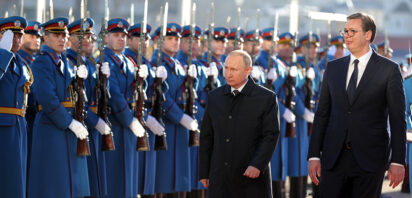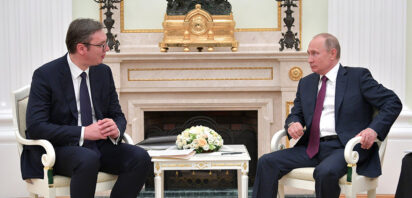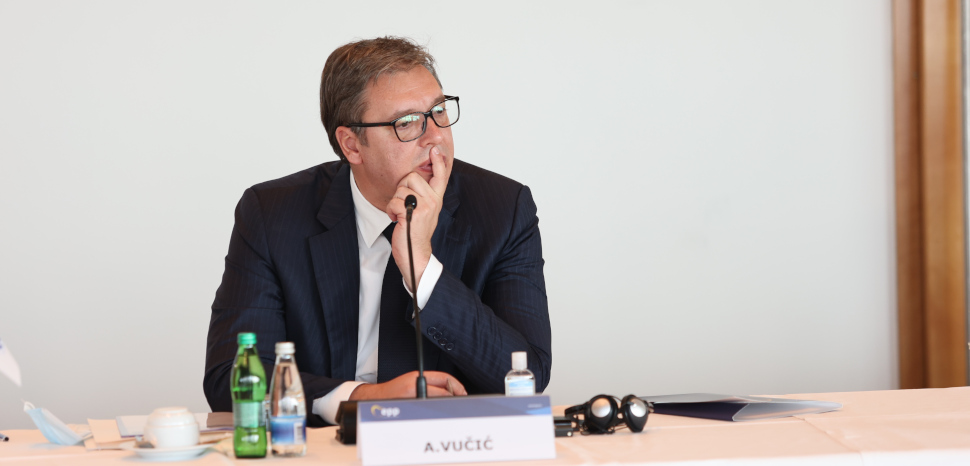
Relations between China and Serbia have strengthened significantly over recent years, presenting a complex dynamic for Serbia’s engagement with the European Union (EU) on one side and its two most important allies, China and Russia, on the other. During a recent visit to Serbia, China President Xi Jinping signed agreements to enhance legal, regulatory, and economic cooperation, signaling long-term collaboration between Beijing and Belgrade. This situation report examines the status of China-Serbia economic and political ties, along with the implications for regional geopolitics and future enlargement of the EU.
Analysis
Political and Economic Ties
Politically, China is supportive of Serbia’s stance on sensitive issues like Kosovo, mirroring Serbia’s support for Beijing’s position on Taiwan. Public opinion in Serbia reflects this alignment, viewing China as a crucial ally, second only to Russia.
Economically, China is a top foreign investor in Serbia, with investments spanning various sectors. This investment surge owes much to China’s Belt and Road Initiative, which has positioned Serbia as a key gateway for Chinese access to European markets. In turn, landlocked Serbia has indicated interest in purchasing a minority stake in a Greek port as it seeks to expand its automotive exports by encouraging additional Chinese investment in the sector.
Notably, the construction of the Belgrade-Budapest railway represents a significant investment aiming to improve logistic connections between Central and Eastern Europe and the Greek port of Piraeus, a vital entry point for Chinese goods into Europe.