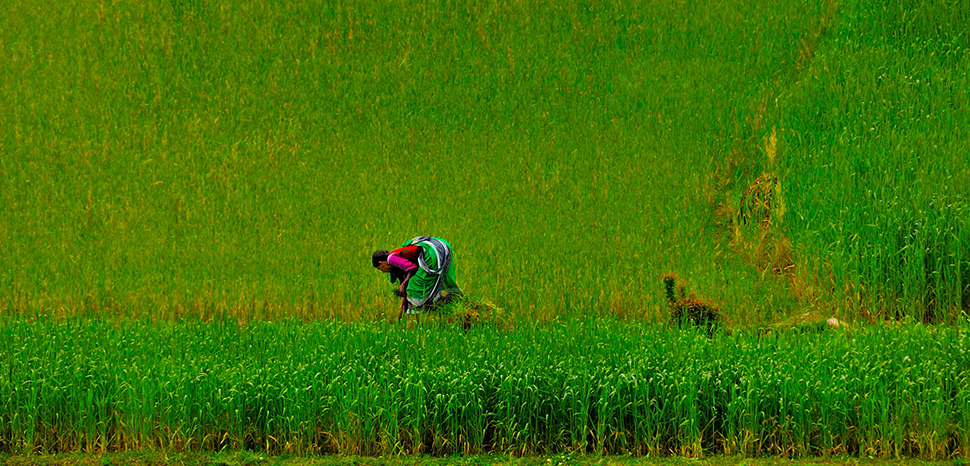
In late July 2023, India’s decision to ban exports of non-basmati white rice sent ripples through the international community, adding to concerns about food insecurity and disruptions to essential crops. This move, driven primarily by domestic concerns, creates both immediate and long-term implications on the global stage. This analysis delves into the challenges and opportunities for the international community in containing global food prices in the wake of India’s move, and similar ones yet to come.
Economic Reverberations and Historical Context
As the global leader in rice exports, India’s market share by volume stands at 40%. India’s specific exclusion of basmati rice, a long-grain and costlier variety of Indian rice, stems from the desire to stabilize domestic food prices ahead of elections in April 2024. The monsoon season led to severe flooding incidents in vital agricultural states, constraining supply and culminating in steep price increases for Indian households. External factors include market reverberations from the Russo-Ukrainian War.
For countries throughout Asia, rice constitutes a significant portion of their daily caloric intake, ranging from 40% to as much as 70%. An export vacuum created by India’s decision risks destabilizing food security in these nations, with fears that the ban could stretch to cover additional producers of other essential food exports, including sugar.
India’s rice ban isn’t the first of its kind in recent memory. In the wake of the 2008 global financial crisis, significant producers in Asia, including India, curbed rice exports to shield domestic markets from international price volatility. However, this decision exacerbated the very risks they aimed to guard against, leading to sustained price hikes and export curbs by key producers.