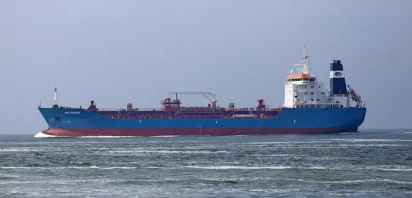
In their most recent purchase of Russian oil, major Indian refineries, including Bharat Petroleum and Reliance Industries, opted to settle the transaction using the United Arab Emirates dirham in lieu of the traditional settlement in US dollars. This event follows an earlier attempt between Russia and India last fall to utilize the dirham in energy deals, which fell through after a UAE bank declined to facilitate the transaction. The imposition of Western sanctions and price caps on Russian energy exports has significantly curtailed Russia’s market share in Europe, with the scope of the EU’s ban widening to incorporate additional Russian exports. With Russian crude trading at a steep discount, Moscow has few options beyond expanding market share among Asian and Middle Eastern buyers.
Beyond satiating its appetite for cheap Russian energy imports, India’s decision hints at growing momentum among policymakers in Asia and the Middle East to explore and expand dedollarization efforts at the bilateral and regional levels. In addition to its arrangement with India, Russia has explored a gold-backed stablecoin to facilitate regional cargo transactions with Iran, incorporated the petroyuan as China’s leading oil supplier, and has lent support to the establishment of a reserve currency within the BRICS bloc.
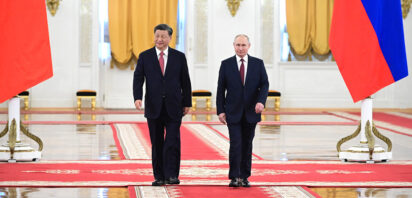
For its part, China has made a concerted push to scale the adoption of the petroyuan, particularly in its purchasing arrangements with OPEC+ members. President Xi Jinping’s visit to Riyadh last December emphasized China’s commitment to purchasing oil and gas in yuan. Yet doing so could further strain OPEC’s ties with the United States, which has relied on the bloc to plug supply gaps in Europe. Furthermore, the appeal of cheap Russian energy exports extends to OPEC members, with some importing cheaper Russian refined fuels for domestic use in order to conserve their high-value crude exports to European markets.