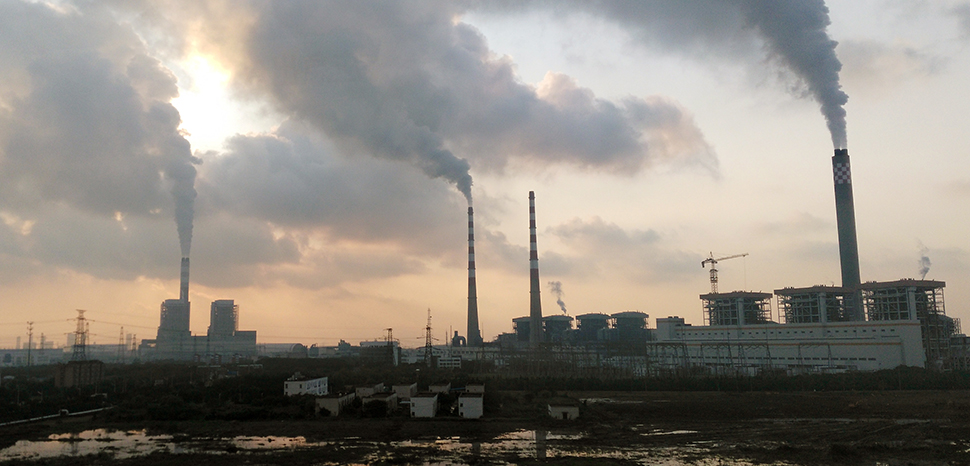
Rolling blackouts have come to China’s manufacturing heartland, stifling factory activity ahead of the critical winter export season. There are concerns over consumer supply heading into colder weather in a region that’s home to over 100 million people. And China’s national team has been given marching orders to sweep up LNG and coal at any cost from supply-constrained global markets.
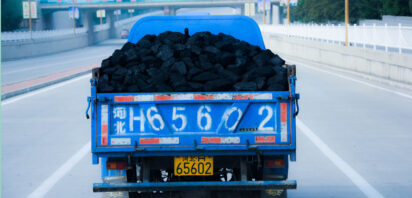
Yet despite all this, and despite coal prices hovering at record highs, Indian firms have been leisurely snapping up Australian thermal coal – some of the highest quality coal available – at significant discount via shipments that were originally bound for China.
Such is the ongoing exercise in economic and geopolitical self-harm that is the China-Australia trade war.
Analysis
As the world’s number one importer and consumer of coal, it’s safe to say that China’s economy runs on the fossil fuel, from its vast steel-producing industries all the way to its coal-dependent electricity grid (coal accounts for 58% of all electricity generation). It follows that fluctuations in the price of coal imports, however small, have the potential to unleash massive ripples through the wider economy.
That’s precisely what is now happening. According to research conducted by the Australian Strategic Policy Institute (ASPI), steel mills in China are paying approximately $400 million per million tons of coal, as opposed to the $250 million that importers in other countries pay. Once China’s domestic coal demand is taken into account, the difference equates to some $2 billion in additional costs every single week.
That’s a lot of money being lost to trade inefficiency; but it’s entirely well-earned so far as Beijing is concerned. The price disparity stems from an ongoing ban on Australian coal, instituted in November of last year. Coal is just one of many exports to be targeted for trade reprisals from the Chinese government; however, it has been uniquely conspicuous as an act of economic self-harm due to a series of unforeseen supply-side shocks that have unfolded in the meantime. These include safety-related shutdowns of coal mines in Shanxi and other provinces, and COVID-related shortfalls in exports from Mongolia, a country that has replaced Australia as China’s primary external coal supplier.