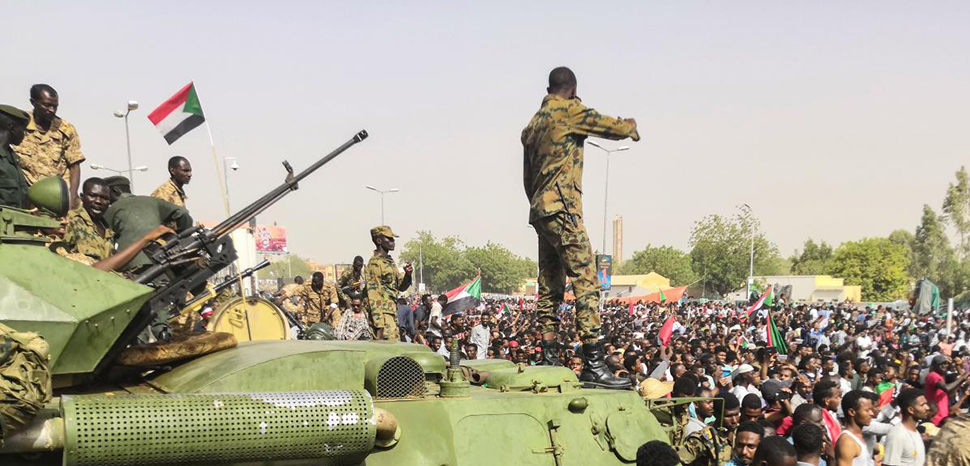
A coup attempt took place in Sudan on Monday, involving ‘military and non-military elements’ targeting a state media building. Details remain scant, with reports of gunfire and tanks being deployed on the streets of the capital. The government maintains that the plotters, allegedly supporters of the previous al-Bashir regime, have all been arrested and the threat neutralized.
There are questions surrounding the seriousness of the threat, the identity of the plotters, and what they had hoped to achieve. However, the incident is just one of many recent tremors to wrack the fragile post-revolution political order in Sudan.
Background
Sudan is run by a Sovereign Council containing a mix of civilian and military representatives. When the Council was originally formed in August 2019, it consisted of 11 members, five of which were military, and six of which were civilian.
The Council is meant to run the country on a transitional basis until general elections are held in 2024; members of the Council were at the onset barred from running in the polls (originally scheduled for 2022 but now pushed back to 2024).
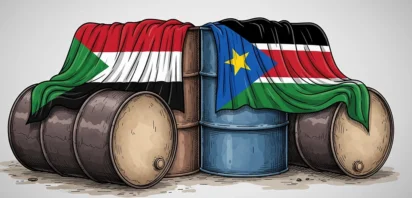
In February 2021, membership in the Council was expanded to 14 as per the October 2020 peace deal with South Sudan, which mandated the participation of rebel groups from Darfur, Blue Nile, and South Kordofan (several large outfits remain outside the deal, however). The hope was that this could reverse the historical trend of power being centralized in the capital of Khartoum, often at the direct expense of Sudan’s peripheral areas, both with regard to political representation and access to state resources.
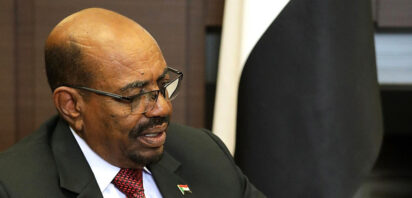
The Council remains headed by General Abdel Fattah al-Burhan, a general who also led the Transitional Military Council (TMC) – the short-lived junta that overthrew former president Omar al-Bashir. Al-Burhan’s term was originally supposed to run 21 months from August 2019, after which a civilian leader would take over the reins. Yet he remains very much in-charge, with notorious paramilitary leader of the Rapid Support Forces (RSF), Muhammad Hamdan Dagalo (or ‘Hemedti’), as his vice chair on the Council.
The military wing of the Council has strengthened at the expense of the civilian side. Civilian member Aisha Musa Sayeed resigned from the Council in May 2021, accusing military members of sidelining her and her colleagues. Sayeed’s resignation came just days after protestors were killed marking the 2nd anniversary of the 2019 revolution.