Peru is set to vote in a landmark election on Sunday. The presidential runoff offers a choice between two political extremes – the far-right Keiko Fujimori or the far-left Pedro Castillo – neither of whom garnered more than 20% of the vote during the first round.
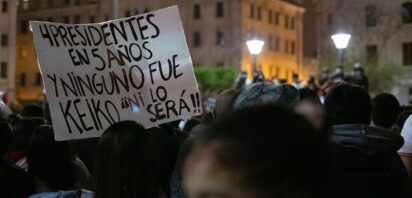
Campaigning by these two unlikely finalists has been distinctly hyperbolic, with supporters on either side decrying their opponent as a harbinger of either fascism or socialism respectively. The contest has also made for some strange bedfellows, as elites and centrists alike have gravitated toward the perceived lesser of two evils, supporting candidates they would otherwise loathe.
Opinion polls are deadlocked ahead of the vote, but they have been wrong in the past, particularly with regard to gauging the extent of Castillo’s support in the first round.
Mining firms will be monitoring the election closely, as a Castillo victory could translate into a major overhaul of the royalty scheme in one of South America’s most mining-friendly states.
Analysis
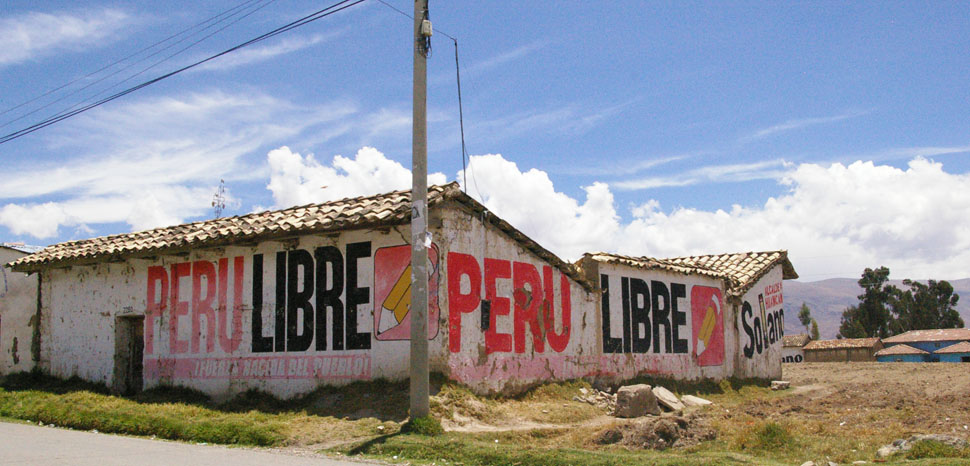
To a certain degree, the campaign thus far has been characterized by both candidates attempting to portray themselves as more moderate than their detractors imagine. For Fujimori, this has meant signing a pledge to uphold democracy (a previous pledge was signed in 2016 in a similar effort to win over centrist voters). For Castillo, this has meant distancing himself from more radical figures within his Perú Libre party and clarifying that his government would not seek to nationalize Peru’s mining industry without first putting the question to a national plebiscite.
Nonetheless, it was never going to be easy for either candidate to court the middle ground. Anti-Fujimori sentiment is a pillar of modern Peruvian politics, conspicuous in Keiko’s 13% take in the first round, and so too is the violent legacy of the Shining Path, which came to the foreground recently in a May attack that resulted in 16 deaths. However, given the gradual erosion of Pedro Castillo’s polling lead since the results of the first round were announced, it would seem as though Keiko Fujimori is the candidate who has managed to change the most minds on the campaign trail.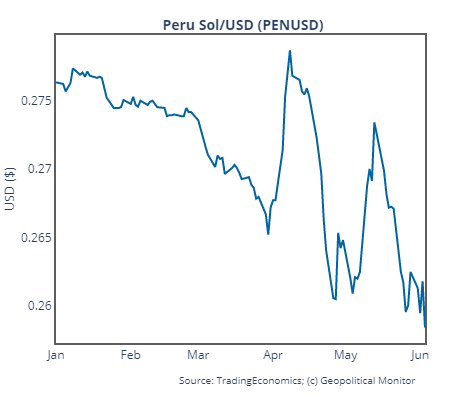
Polls are now tied heading into the weekend and it’s impossible to know who will emerge victorious. Indeed, most political commentators in Peru have given up on even trying to call the winner.
There’s a lot at stake in the result, both for the people of Peru, whose woeful public services were laid bare in the word’s worst per-capita COVID-19 death toll, and for domestic and foreign firms who have long operated under favorable regulatory conditions in the country.