The United Kingdom economy surprised on the downside on Monday, posting GDP results that have investors newly worried about the lasting impacts of Brexit.
According to the Office for National Statistics, GDP contracted by 0.4% in April – the largest one-month drop since March 2016. It comes after a 0.1% contraction was recorded in March.
The April growth miss bucked a consensus estimate of a 0.1% contraction in one Reuters survey, and signaled a potential second quarter contraction ahead. Growth over the first quarter of 2019 was 0.5%, up from the 0.2% rate of the final quarter of 2018. Output over these quarters was inflated by stockpiling activity ahead of the original Brexit date of March 29 – a day that came and went like any other, without any Brexit breakthrough.
With the influence of pre-Brexit stockpiling now fading, output cratered in April. Auto manufacturing was hit particularly hard: producers like BMW, Peugeot, and Land Rover instituted shutdowns ahead of possible Brexit disruptions in the summer, resulting in a 24% drop in vehicle output over the course of the month. And though many believe the sector will bounce back in the months to come, April’s plunge represents the largest decline in car production ever recorded in the UK.
But the bad news doesn’t end there. Overall manufacturing output also slumped by 3.9% – the most since June 2002. Construction dropped 0.4%, services were stagnant, and industrial production dropped 2.7%, its biggest dip in over five years. The end of stockpiling also seriously distorted import and export numbers: imports dropped 14.4% from March (the largest drop since records began in 1998) and exports dropped by 10.9% (largest since 2006).
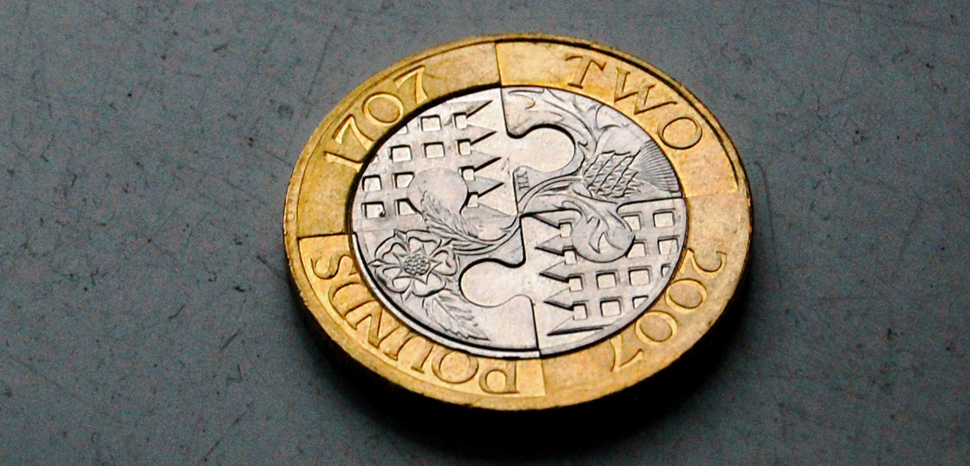
Unsurprisingly, this new economic data is reverberating in currency markets. The pound sterling fell below $1.27 upon release of the GDP data on Monday, having already shed around 3% of its value against the US dollar over the course of May.
Forecast
That the UK was due for some discouraging economic data is no secret, since companies had been overproducing ahead of what they thought to be a severe economic disruption following March 29. The downturn we’re now seeing was essentially baked into the high-flying numbers of the first quarter.