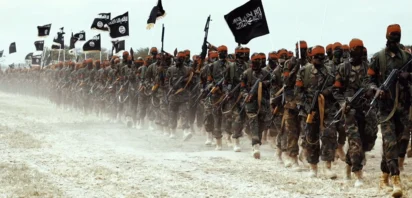
This week, the Kenyan air force bombarded two al-Shabaab camps in Gedo, a Somali region on the border with Kenya. The number of kills is not known, nor is it clear what role they played in the attack in Garissa University, but it’s Kenya’s first military response after the bloody attack that killed 148 students on April 2.
The Kenyan military was retaliating against yet another brutal attack against civilians. About six months earlier, on June 16, 2014, Kenya was rocked by another brutal mass murder. On that occasion, al-Shabaab raided two hotels in the coastal town of Mpekotoni where people had gathered to watch the World Cup. Nearly 50 people, mostly civilians, were massacred by machine gun fire. The list of al-Shabaab attacks is so long that only the most recent and heinous are remembered. In Kenya everyone remembers the tragic afternoon of Saturday September 21, 2013, when al-Shabaab broke into the Westgate mall in Nairobi, killing 67 people, including 13 foreigners, and injuring 200. Somalis remember as well because, less than two months ago, militants attacked the Central Hotel in Mogadishu, frequented by Somali government officials.
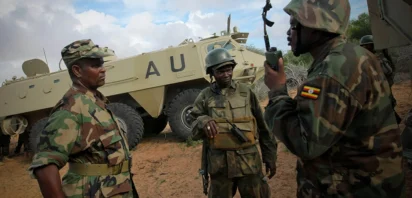
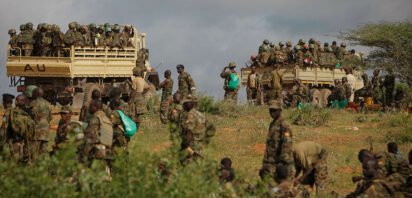
Suicide bombers, car bombs, armed commandos, barbaric executions of civilians have occurred in northern Kenya in recent years; however, how effective has the response been? Through their actions, al-Shabaab have clearly intended to punish Kenya for their decisive military and political support of the African Union and the Somali government armed forces. Kenya has committed, in addition to the ground troops, even its navy, whose vessels have in the past bombarded al-Shabaab positions along the coast, especially in Kismayo, and the air force. The United States has also contributed to this strategy, deploying drones.