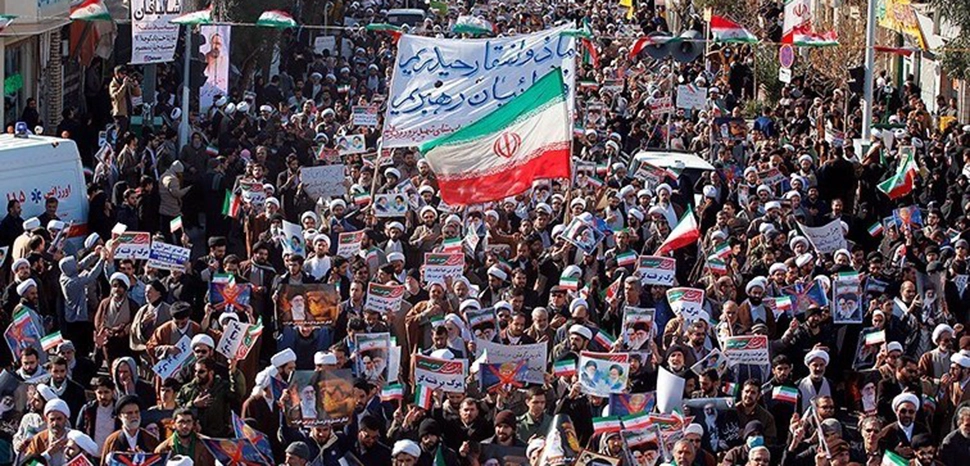
The political divide in Iranian society has once again made itself known to the world, and all signs are pointing to a long and bloody conflict.
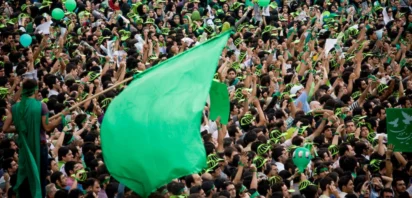
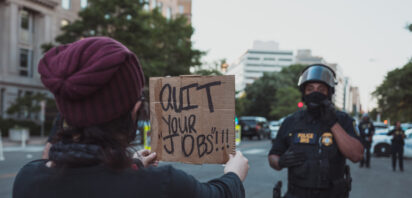
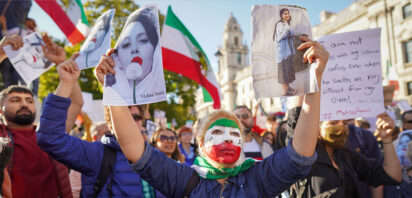
Iran’s opposition movement has sent a clear message that it will not fade away, launching a chain of new protests in Tehran, Tabriz, Isfahan, and Najafabad. Protestors have managed to take advantage of the Shiite holiday of Ashura- an event that is traditionally marked by Iranians taking to the streets in religious procession- to once again put pressure on Ayatollah Khamenei and the Mahmoud Ahmadinejad government. One notable casualty of the new surge has been Mir Hossein Mousavi’s nephew, Seyed Ali Mousavi, who was shot dead on Sunday during a protest in central Tehran.
The death of Seyed Ali Mousavi is one of several factors pointing to intensified dissent over the next few weeks. The reform movement recently lost a key ally in Grand Ayatollah Montazeri, and a period of mourning for him may serve as a pretense for more protests. More importantly, government pressure on Mir Hossein Mousavi and Mehdi Kourabi has recently intensified. In early December, rumors were swirling that Ayatollah Khamenei was ready to use an incident in which protestors burned pictures of the late Ayatollah Khomeini as a pretense for arresting the top leadership in the reform movement. Mousavi and Kourabi may now be of the opinion that this latest flare up is their last chance to save themselves from punishment at the hands of the Mahmoud Ahmadinejad regime, thus increasing the odds of an open break with the religious authorities in Tehran.