
Dr. Anthony Rusonik - May 16, 12
The complex dynamics of Turkey’s geographical position and cultural uniqueness have always defied easy explanation. But in the decade since Tayip Erdogan and his Justice and Development Party (AKP) were first elected, change within Turkey and between Turkey and the world has erupted in a number of different directions. Consequently, the word “enigmatic” is perhaps the best way to describe Turkey’s foreign policy over the past ten years.
More...
It is unlikely Nicolas Sarkozy will be reelected president of France on May 6. Francois Hollande, leader of the Parti Socialiste, won the first round of voting on April 22. He is the third socialist candidate to win the first round of voting in France’s history after Jospin (1995) and Mitterand (1988). The success of the socialist candidate has raised doubts as to whether Sarkozy can garner the last minute support he needs to win.
Shortly after the collapse of the Soviet Union, Sweden and Finland decided to join the European Union. However, their Scandinavian counterpart, Norway, decided against it. This decision is indicative of a euro-scepticism grounded in a unique history that will keep Norway independent, says Saadna Sheriffdeen of Geopoliticalmonitor.com.
The Greek people have spoken, though it came out sounding like a Sphinx: they wish to remain in the euro zone but refuse to forfeit the sovereignty necessary to do so, says Zachary Fillingham of Geopoliticalmonitor.com.
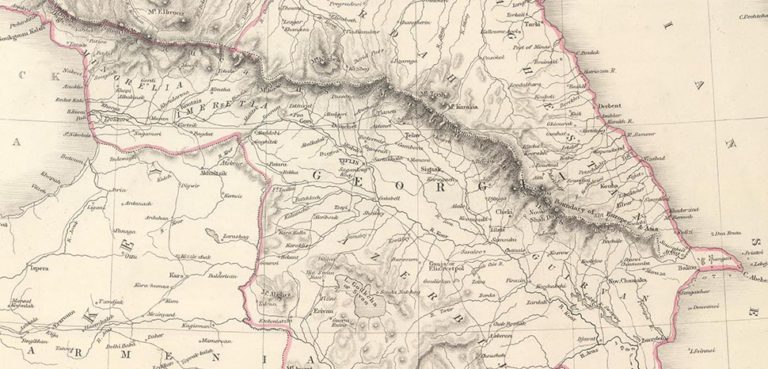
In recent years the United States and a handful of its western allies have fostered closer military and political ties to Georgia, going as far as promoting Georgia’s membership in NATO. In the wake of Russia’s determination to maintain a strong position in the Caucasus, western leaders should now wonder if their Georgia policy has been too rash, says Alessandro Bruno of Geopoliticalmonitor.com.
