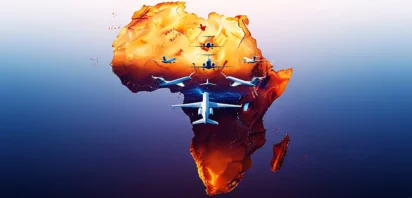
While there has been much ado over the intensification of U.S. operations in Afghanistan and Pakistan, developments in South Asia have overshadowed another equally important development: President Barack Obama’s escalation of military operations on the African continent.
Analysis
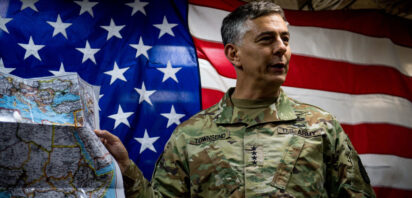
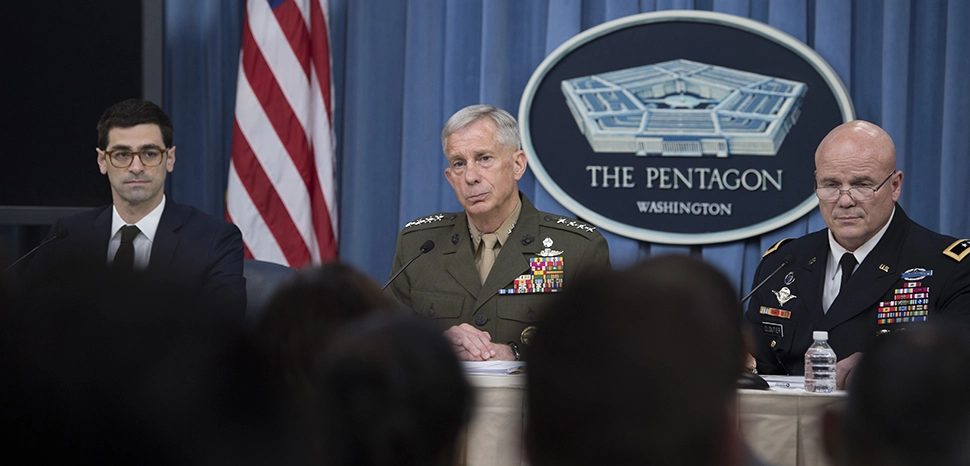
Following in the footsteps of his predecessors George W. Bush and Bill Clinton, Barack Obama has continued to militarize U.S. foreign policy in Africa via AFRICOM (United States African Command).
Since its 2006 inception, African leaders suspected that AFRICOM’s security initiatives were a pretext for U.S. efforts in extending the war on terror, securing oil, and countering China’s growing influence in Africa. AFRICOM responded with PR stints emphasizing the altruism of their security and sustainable economic development initiatives in the name of democracy, and AFRICOM Commander Gen. William Ward assured his African peers in early 2008 that AFRICOM “will maintain a light footprint in Africa”.
President Barack Obama echoed such sentiments during his July 2009 visit to Accra, Ghana, stating that in the wake of security challenges (i.e. genocide and terrorism), which has scarred much of Africa, “Africa Command is focused not on establishing a foothold in the continent, but on confronting these common challenges to advance the security of America, Africa and the world.” Such rhetoric affirmed the widely held belief that Obama’s foreign policy approach to Africa would be less unilateral and militaristic than his hawkish predecessor.