Collective Security Treaty Organization (Csto) News & Analysis

Geopolitical Orientation on the Ballot in Armenia Elections
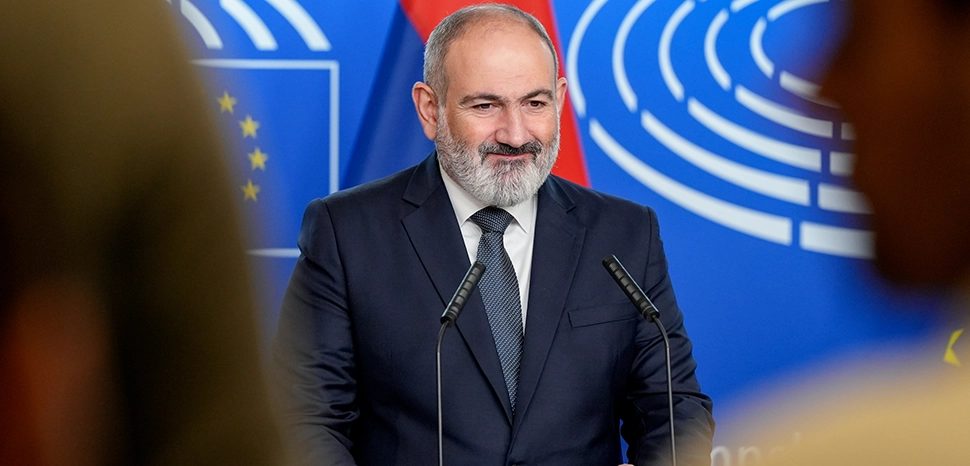
The Prime Minister of Armenia Nikol Pashinyan addressed MEPs in the European Parliament’s hemicycle in Strasbourg on Tuesday. In his address, Mr Pashinyan expressed his staunch defence of democratic principles against the backdrop of the multifaceted crises Armenia has been confronted with in recent years, particularly highlighting the turbulent aftermath of the 2020-2021 war and border conflict with Azerbaijan. He sought to defy those claiming that Armenia is suffering because it is a democracy, instead saying that his country would be paralysed and lose its independence and sovereignty if it was not democratic. Referring to Azerbaijan’s recent attack and recapture of the breakaway region of Nagorno-Karabakh, he said that Baku did so in “fulfilment of its long-standing policy of ethnic cleansing”. He also described the horrible humanitarian situation created by Azerbaijan’s long blockade of the Lachin corridor and offered a sharp rebuke to Moscow after Baku’s latest offensive.

Armenians head to the polls on June 7. The election outcome will affect not just domestic governance, but Armenia’s geopolitical orientation going forward, with consequences for the peace process with Azerbaijan and wider stability across the South Caucasus.

For Russia, Regional Instability Means Opportunity in Central Asia

cc kremlin.ru, modified, Second Russia – Central Asia Summit Vladimir Putin took part in the second Russia – Central Asia Summit, held in Tajikistan’s capital, Dushanbe. http://en.kremlin.ru/events/president/news/78180

Faced with geopolitical setbacks across Eurasia, Moscow is turning to Central Asia - one of the few regions where Russian institutional influence persists in structured form - to solidify its influence amid a shifting global order.

Armenia Cannot Go West Until Russia Loses its War Against Ukraine
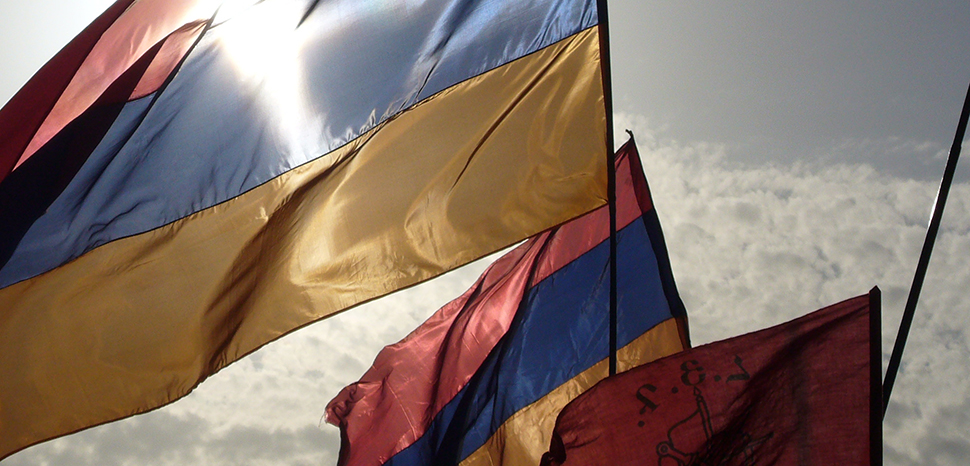
cc Harout Arabian, modified, https://flickr.com/photos/harout/423022963/in/photolist-bKg15Z-nbCZ19-ZmBezk-Do6Zn-Do6YC-KuW3a-XBccxd-Do6Zu-Do6Zb-Do6Z2-4rjeFL-LGJ1GD-2i1S5J-E2w3m-Lx838E-2ndHCV-4HvBbK-YbWzuH-2oZLh1-22zLduH-cfqQVU-4HzQcq-d3y6RJ-23CkSN4-kBGVSF-QE2PSm-2nxAMHp

However much Yerevan wants to reorient its foreign policy westward, the practical realities of appeasing Moscow won’t be easily overcome.

Countering Iran in Ukraine and the South Caucasus
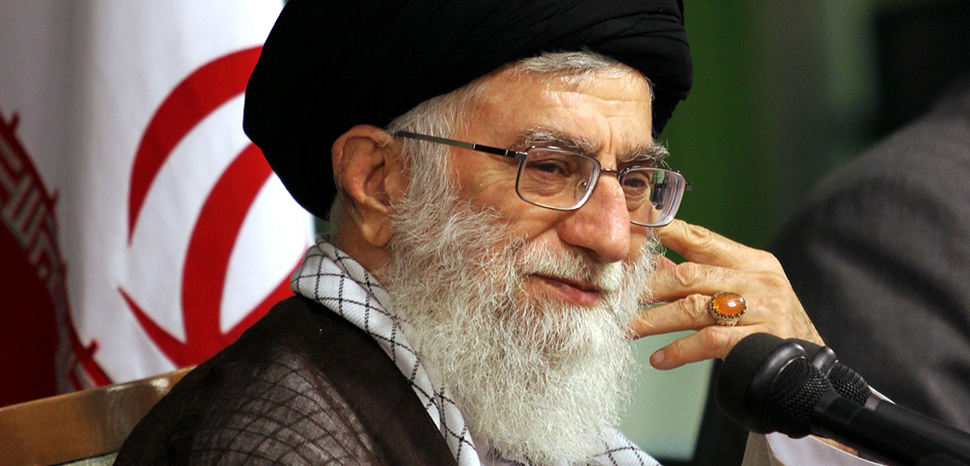
https://commons.wikimedia.org/wiki/File:Portrait_of_Ayatollah_Ali_Khamenei015.jpg

Six policies that the US can adopt to curb Iran’s malign influence in a volatile region.

War, Peace, and Western Double-Standards: Ukraine and Azerbaijan Compared
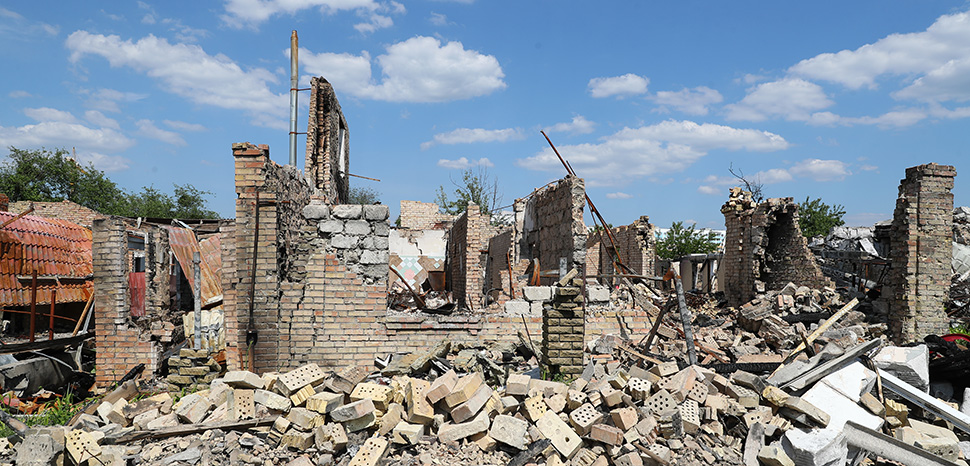
Bucha, Ukraine following the Russian invasion. cc U.S. Embassy Kyiv Ukraine, modified, https://commons.wikimedia.org/w/index.php?title=Special:Search&redirs=0&search=bucha%20ukraine&fulltext=Search&ns0=1&ns6=1&ns14=1&title=Special:Search&advanced=1&fulltext=Advanced%20search#/media/File:Bucha,_Ukraine,_June_2022_(52136362580).jpg

For evidence why the Global South is hesitant to support sanctions against Russia, look no further than the West’s historic inconsistency on human rights.

Armenia Needs Alternatives to Russia and Iran
cc TheFlyingDutchman, modified, https://commons.wikimedia.org/wiki/File:Flag_of_Armenia_in_Yerevan.JPG

It’s not choice, but geopolitical imperative that pushes Armenia ever closer to Russia and Iran.

Time for Armenia to Abandon the Sinking Russian Ship
cc Simon Forbes, modified, https://flickr.com/photos/simonforbes/29231882124/in/photolist-Lx838E-2ndHCV-4HvBbK-d3y6RJ-YbWzuH-2oZLh1-23CkSN4-2jYDxZ-82m1sS-XBccxd-kBGVSF-6o9z8a-ovVUmu-8y4A41-4C2C7p-ouGuEL-ouV11d-PANBTq-otVhLg-ouiUKY-owcGGq-QPJ6rh-osEP35-ouF3vb-7Hos9t-ow1APz-ow6sor-oeDCbg-25wzSx1-xZXUr5-ovVpoS-oeYttG-22zLduH-ouiUyW-ot3oRL-ow17UN-y4bhgD-QE2PSm-xYvbp1-ou1U7h-wEMnqa-y1JZ9q-wmL4C7-2nxAMHp-xLFCNQ-oweswB-owsS9z-wnuqwX-ovVoTv-y1RNtd

Russian influence is collapsing across Eurasia. Unlike Belarus, Armenia still has time to make a diplomatic pivot and adapt to the emerging order.

Ukraine War Unsettles Proxies in Russia’s Backyard
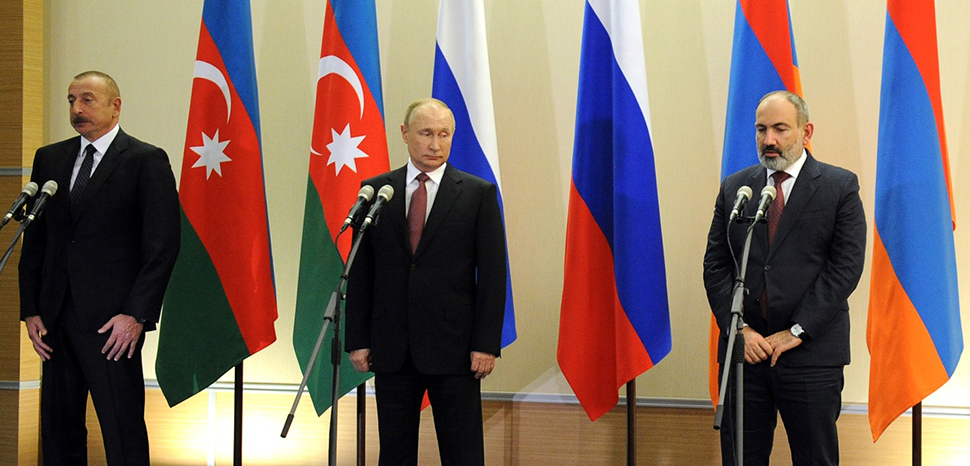
cc kremlin.ru, modified, http://en.kremlin.ru/events/president/news/67203

With the Ukraine war now dominating Moscow’s attention, longstanding geopolitical certainties are beginning to unravel in Georgia, Moldova, and Armenia.

Kazakhstan Pivots from Russia amid Ukraine War
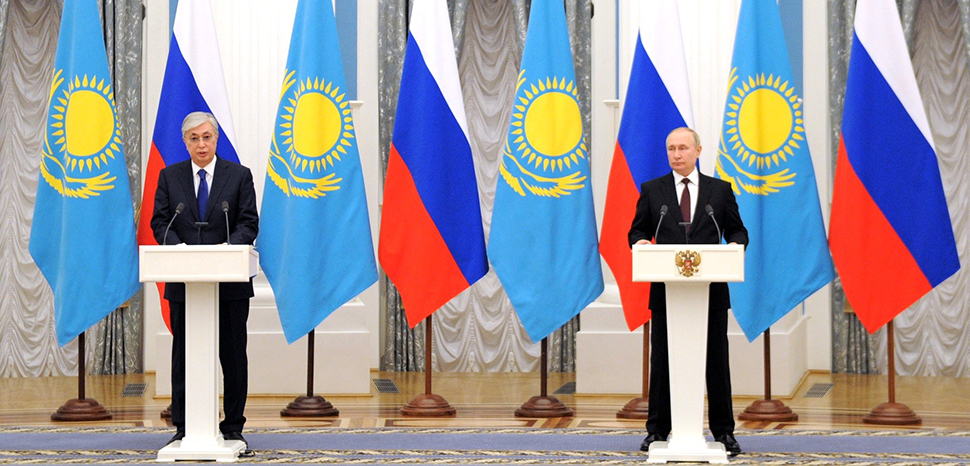
cc kremlin.ru, modified, http://en.kremlin.ru/events/president/news/67749

While Russia is distracted by the Ukraine war, Kazakhstan is quietly carving out some independent room for geopolitical maneuver.

Assad Gambles on the Ukraine War
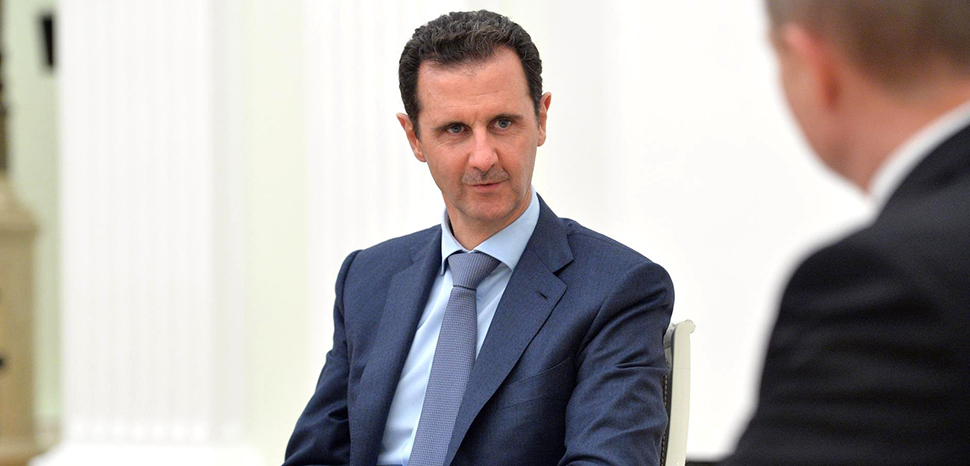
cc kremlin.ru, modified, http://en.kremlin.ru/events/president/news/50533/photos/42154

The Assad government has placed a geopolitical bet in its recognition of Russia’s Ukraine proxies, and the stakes couldn’t be higher back in Syria.

Making Sense of the Kazakhstan Protests
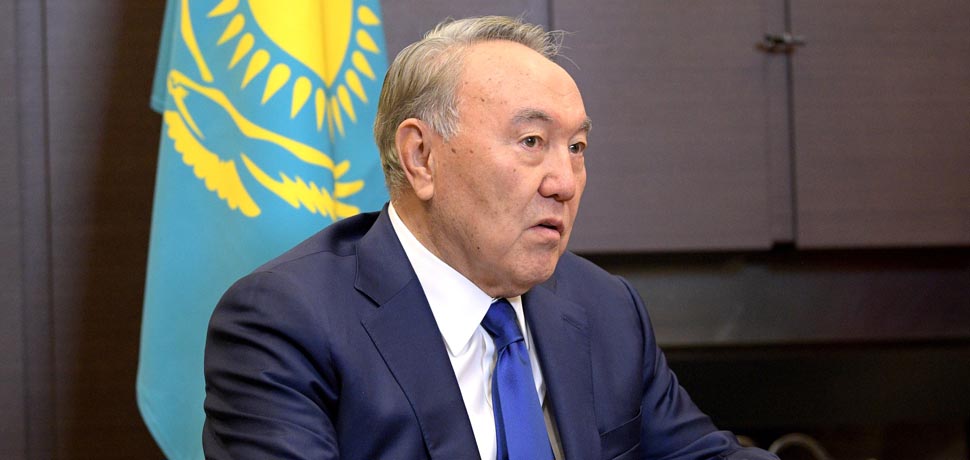
KazakhPres, cc Flickr http://en.kremlin.ru/catalog/persons/43/events/55823/photos/50782, modified, Kremlin.ru

What triggered the recent wave of protests and riots in Kazakhstan? And what’s next for the country?

Nagorno-Karabakh Clashes: Prelude to a Wider War?
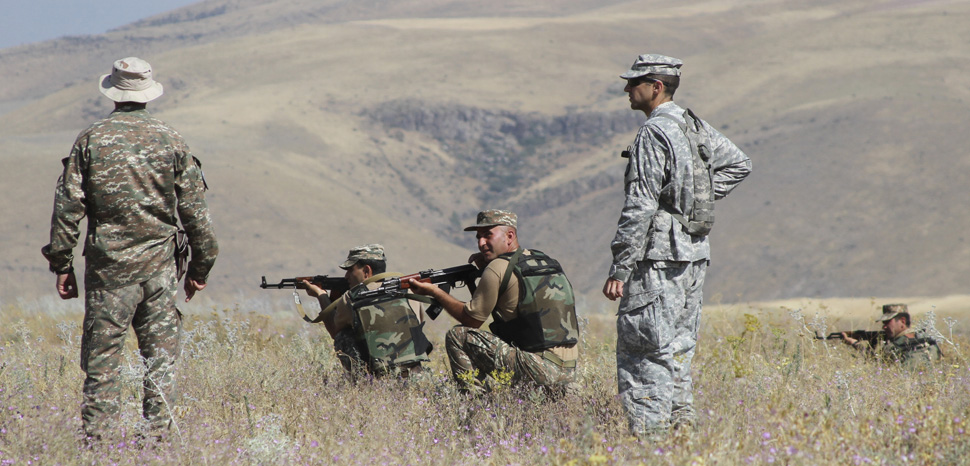
A small group of Kansas Army National Guardsmen share ideas and advise soldiers with the Armenian Peacekeeping Brigade at a training site near Yerevan, Armenia, July 29, 2015. Army National Guard photo by Sgt. Zach Sheely, cc public domain, modiifed, https://www.defense.gov/observe/photo-gallery/igphoto/2001836902/

Much like the July Crisis of 1914, Nagorno-Karabakh is a local conflict with continental implications.

Kazakhstan’s Foreign Policy: Escaping Geography in 2018
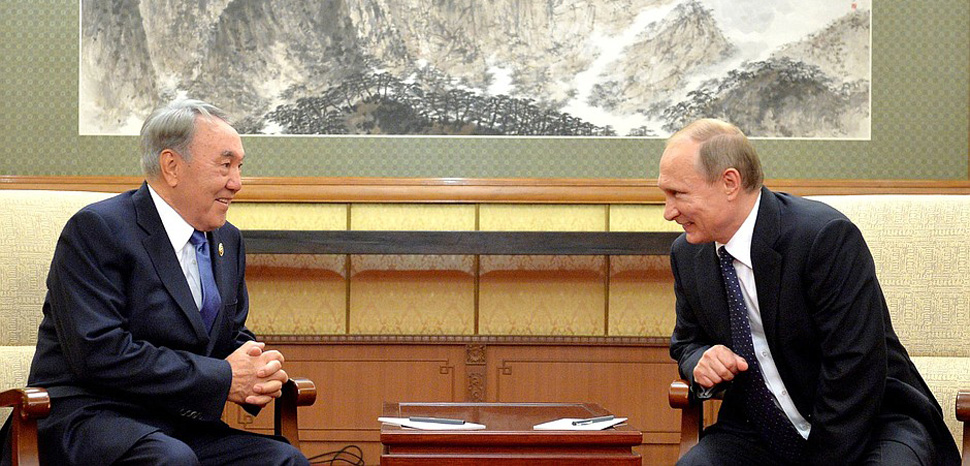
NurPut2, cc Kremlin.ru, modified, http://en.kremlin.ru/events/president/news/50223

The foreign policy of the Republic of Kazakhstan is a textbook example that geography still matters and can, and does, influence a government’s foreign policy.

Uzbek-Russia Relations in 2017: Close, but Not Too Close

Russia Uzbekistan flags, Generated by Google Gemini AI on August 15, 2025. All flags, maps, and likenesses contained within this image are not necessarily accurate representations of reality.

The death of President Islam Karimov has ushered in a thaw in Uzbek-Russia relations since 2016. But don’t expect Uzbekistan to alter its longtime policy of non-alignment anytime soon.

CSTO: Warsaw Pact Redux?
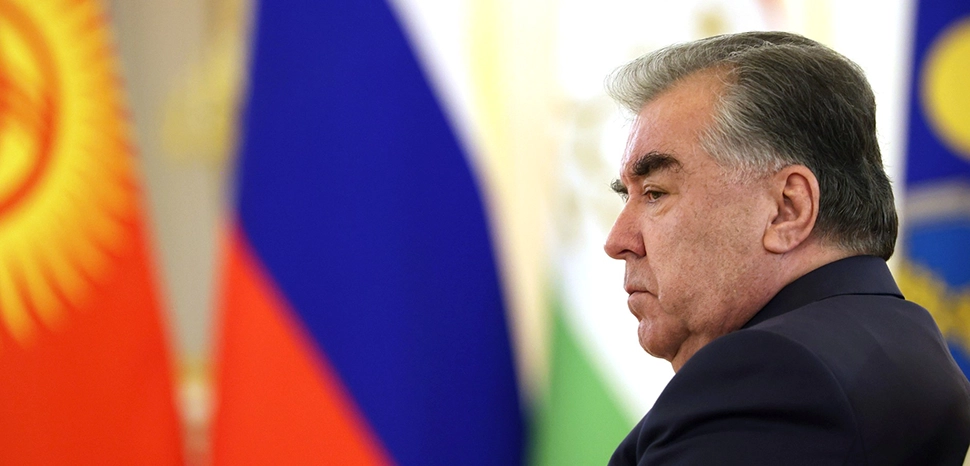
cc kremlin.ru, modifiedhttp://en.kremlin.ru/events/president/news/68418

Flexing its growing international clout while American geopolitical power continues to decline precipitously, Russia is further developing the Collective Security Treaty Organization (CSTO) into a post Cold War Warsaw Pact.

More Collective Security Treaty Organization (CSTO) Articles