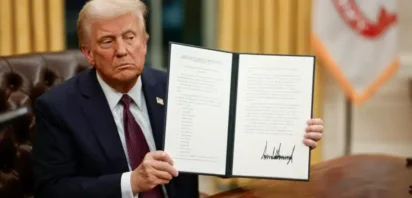
After a decade of waiting, the US Senate voted on 22 June to approve a tax treaty (Treaty Document 112-8) with Chile. Now the document is only missing US President Joe Biden’s signature. The tax treaty is particularly relevant to US energy security as it is “crucial for ensuring access for U.S. companies to lithium, a mineral essential for electric vehicle batteries.” Given the global race for access to critical minerals, it is unsurprising that the US Senate (finally) passed it by an overwhelming majority.
A long time coming
The treaty was originally signed in 2010 but had to be ratified by the Congress of each country. The Chilean Congress voted to approve it in 2015. The US Senate voted between four and five times without success, until this year when the Senate approved it by 95-2 votes. The Foreign Relations Committee passed it 20-1 in early June.
Members of the US Congress have been very supportive. Senator Chuck Schumer (D-NY) explained that “this treaty is going to have lasting benefits for the US and Chile—it expands investments in one of the most mineral-rich regions in the world, critical for making EV batteries and other clean tech. It will ensure that Chinese competitors won’t continue to have the edge over US companies in the race for lithium and other minerals when it comes to Chile.” He also noted, “and let’s not forget that Chile has more lithium than any other country in the world and lithium is one of those key chemicals, key elements, that we need to make EV batteries and make solar panels, and so many other things.” Moreover, Senator Schumer explained on 20 June, that “right now, American companies are at a significant disadvantage: because the U.S. doesn’t have a tax treaty in place with Chile, they face double taxation and other barriers to investment and trade. Countries like China have an edge on us.” At the time, he also praised lithium, noting that the mineral “is a key ingredient for so many important and emerging technologies – from iPhones, to EV batteries, to energy storage. Nations around the world, including the U.S., are racing to source these precious materials.”