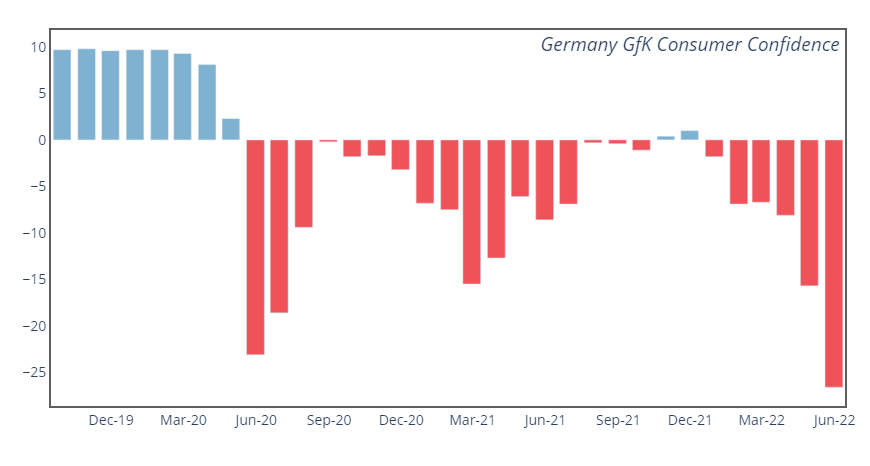
 German consumer confidence fell to a record-low of 27.4 in July according to a popular measure from the GfK Group, down from 26.2 the month before. Notably, the reading actually falls below the water mark left by the immediate aftermath of the initial wave of COVID-19 global shutdowns. Some of these COVID-related shocks continue to reverberate in the present context; for example, in China’s ongoing zero-COVID policy and ongoing disruptions to global supply chains. However, they have subsequently been joined by new geopolitical phenomenon, which together are thwarting the prospect of a smooth return to normalcy for Europe’s largest economy.
Analysis
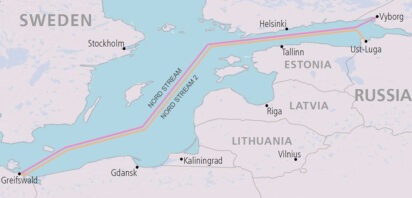
First and foremost on the minds of German consumers is doubtlessly energy prices. The Ukraine war has fundamentally upended Germany’s energy security outlook, with sanctions and a newly realist foreign policy combining to slash Russian energy imports to the country. The scarcity is ramping up in recent days: Gazprom cut flows through the Nord Stream 1 pipeline by as much as 60% over the past two weeks, with Italy’s ENI also reporting lower volumes from the company. Of course, these imports are exceedingly difficult to source from other places, giving rise to a situation that German officials are increasingly comfortable calling a ‘gas crisis.’ LNG imports from exporters like the United States are useful but can only achieve so much: if current trends hold, it will take Europe four years to replace just 60% of what it imported from Russia in 2021.