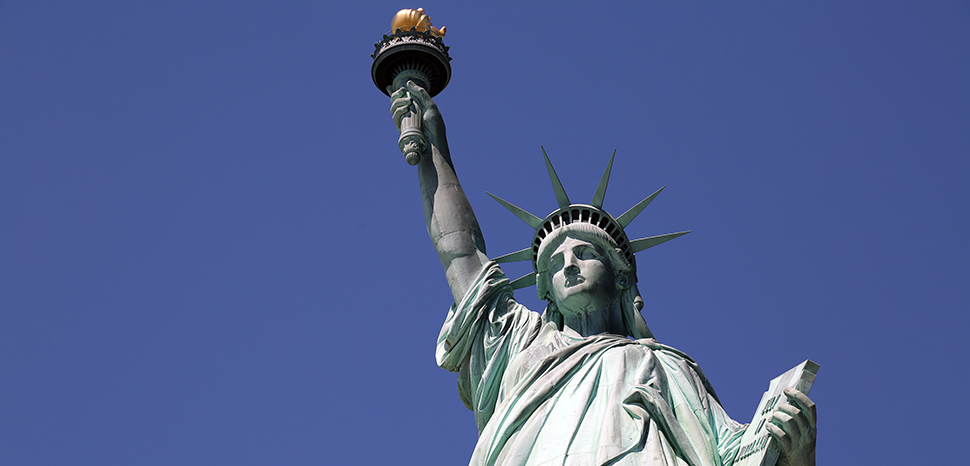
The Summit for Democracy is a diplomatic initiative of the Biden administration which seeks to bring government, civil society, and private sector leaders together from all corners of the democratic world. The overall goal of the summit – which will be held virtually on December 9th and 10th – is to renew and strengthen global democracy. More specifically, this entails three objectives: 1) defending against authoritarianism; 2) fighting corruption; and 3) promoting respect for human rights.
Though the State Department backgrounder notes that the United States will be present to “listen, learn, and engage with a diverse range of actors whose support and commitment is critical for global democratic renewal,” there are, as always, geopolitical considerations underpinning the summit, much of which stem from the Biden administration’s long-held desire to shore up solidarity within the democratic world against creeping authoritarianism. Indeed, the idea of a democracy summit was first raised by Biden on the campaign trail as a way to mend relationships with conventional US allies following the trade- and security-related upheavals of the Trump administration.
The overriding risk of the summit as-is is immediately apparent: an event meant to convey a position of strength and confidence within the democratic world would instead, through its disorganization and lack of any tangible policy outcomes, convey further dysfunction and disunity. Such a risk is undoubtedly compounded by the online format of the summit, which invites technical, participatory, and/or communicative issues during the summit proceedings.
Authoritarian states will be waiting on the sidelines to seize on any misstep. Before the summit even opens its virtual doors, Chinese officials have branded the exercise “a joke,” and have wasted no time in going after the failures of “US-style democracy” and extolling the democratic virtues of the PRC’s homegrown model.
Who’s in, who’s out?
The guest list represents another element of reputational hazard: Who gets the nod as an official “democracy”? It’s up to the Biden administration to make the final call and, unsurprisingly, the list includes democracies with various human rights transgressions issues looming over them; for example, the Philippines, India, Israel, Pakistan, Brazil, and Poland. In all, going by Freedom House’s Democracy Index, 77 of the invitees are “free” or fully democratic; 31 are “partly free” and three are “not free” (Iraq, Angola, and the Democratic Republic of Congo).