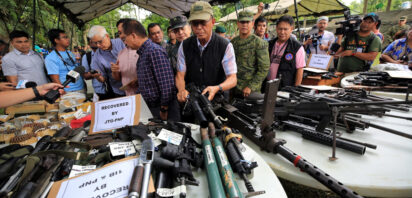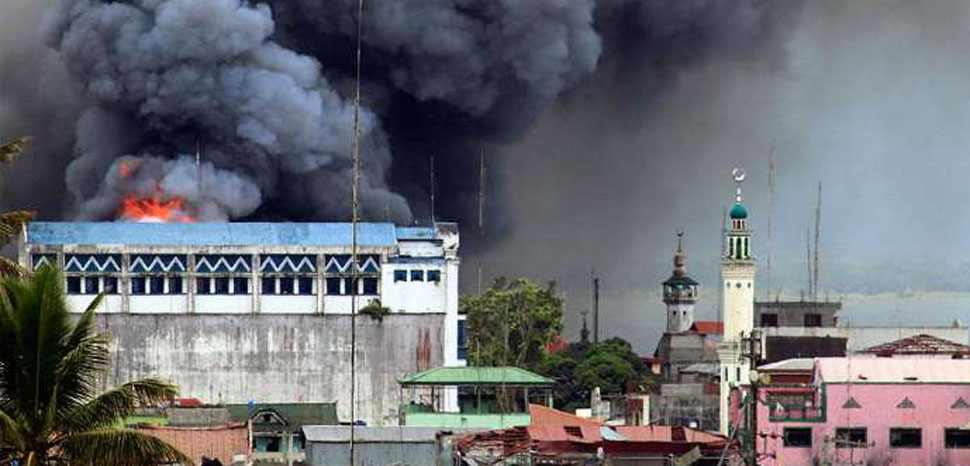
On 19 November, Philippine President Rodrigo Duterte said he would ‘leave it to the military and the police’ to decide whether to extend martial law on the southern island of Mindanao. The emergency measure, which was first imposed in the restive region in response to an ISIS-led siege of Marawi city in May 2017, has previously been extended three times and is set to expire on 31 December.
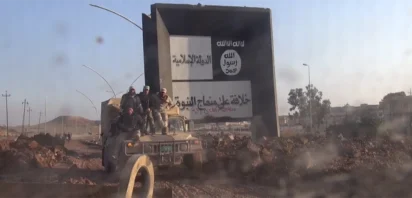
ISIS was defeated in Marawi after five months of fighting; but two years on, the jihadist threat remains alive in Mindanao.
The ISIS-affiliated groups which led the siege have been pushed back and many of their leaders killed, leading Defence Secretary Delfin Lorenzana to declare his preference for lifting martial law entirely. In contrast, senior Armed Forces of the Philippines (AFP) and Philippine National Police (PNP) chiefs have suggested extending the measure only in ‘selective areas’ where extremist groups still operate. The provinces of Maguindanao and Sulu have both experienced attacks by ISIS-affiliated groups this year.
What level of threat does ISIS represent in Mindanao, and does it justify the extension of martial law? And despite ISIS’ declining global influence, after territorial losses in the Middle East and the death of its leader Abu Bakr al-Baghdadi in a US raid in Syria, could its followers in the Philippines yet rebound?
ISIS Remnants in Mindanao
The Maute Group, accused of planning the assault on Marawi in an attempt to carve out a Southeast Asian ISIS caliphate, are severely depleted after AFP operations in Lanao del Norte and Lanao del Sur. While the group was 1,000-strong ahead of the siege, it is now thought to have fewer than 25 active members. Its founders, brothers Abdullah and Omar Maute, were killed during the final gun battles in Marawi in October 2017; while its new leader, Abu Dar, was shot dead during a military operation in Tubaran on 14 March, leaving the Mautes without a figurehead. After Abu Dar’s killing, the AFP said the Mautes were no longer capable of launching a Marawi-style raid, yet military spokesman Col. Romeo Brawner warned that the group was still trying to recruit and remains a national security risk.
The Bangsamoro Islamic Freedom Fighters (BIFF), which played a minor supporting role in the Marawi siege, emerged relatively unscathed and posed a larger threat in its aftermath. In 2018, they regularly fought government troops and carried-out a string of bombings, maiming civilians in restaurants and shopping malls, in the provinces of Maguindanao, North Cotabato and Sultan Kudarat. However, AFP airstrikes and ground operations targeting BIFF hideouts in the rural Liguasan Marsh area of central Maguindanao have dented the group’s capabilities in 2019. In April, regional military commander Maj. Gen. Cirilito Sobejana said the three BIFF factions – the most powerful of which is led by ISIS-affiliated militant Abu Toraife – had been forced into a tactical alliance and resorted to guerrilla-style tactics to survive while under growing pressure. In recent months, the group’s remaining fighters have lain low.